
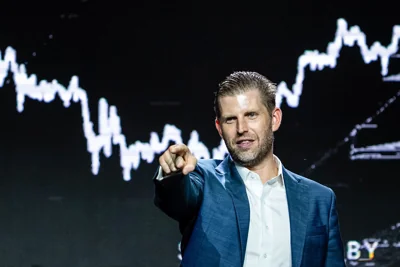
Former President Donald Trump has once again made headlines with his recent criticism of the ceasefire agreement between conflicting parties in a volatile region. His remarks, delivered during a public appearance, have reignited discussions about the effectiveness of diplomatic negotiations and the implications for international relations.
Understanding the Ceasefire Context
A ceasefire is an agreement between warring parties to stop fighting temporarily. It is often seen as a precursor to more comprehensive peace negotiations. In this case, the ceasefire was brokered to halt hostilities that had escalated into violence, resulting in significant casualties and humanitarian crises.
Trump’s Critique
During his speech, Trump characterized the ceasefire as “weak,” suggesting that it lacked the necessary strength and commitment from all parties involved to ensure lasting peace. He emphasized that without strong enforcement measures and clear consequences for violations, such agreements are unlikely to hold.
The Importance of Strong Ceasefires
Strong ceasefires are crucial for several reasons:
- Humanitarian Relief: They allow aid organizations to deliver much-needed assistance to affected populations.
- Stability: A well-enforced ceasefire can lead to longer-term stability by creating a conducive environment for dialogue.
- Trust Building: Successful implementation can foster trust among conflicting parties, paving the way for future negotiations.
The Current Market Sentiment
The geopolitical landscape significantly influences market sentiment. Following Trump’s comments, there was a noticeable shift in investor confidence regarding stability in the region. Financial markets reacted with volatility; stocks linked to defense contractors saw slight upticks while sectors reliant on international trade experienced fluctuations.
The Reaction from Analysts
Market analysts weighed in on Trump’s critique, noting that political rhetoric can have profound impacts on market dynamics. Some pointed out that while Trump’s perspective might resonate with his base, it could also alienate potential allies who advocate for diplomatic solutions over military interventions.
The Role of Public Opinion
The public’s perception of foreign policy decisions plays an essential role in shaping political discourse. Trump’s statements reflect a broader sentiment among certain segments of the population who favor a more aggressive stance on international conflicts. This perspective often prioritizes national interests over international cooperation.
Technical Terms Explained
- Ceasefire: A temporary stoppage of war or conflict where both sides agree not to engage in further hostilities.
- Diplomatic Negotiations: Discussions between representatives from different nations aimed at resolving disputes or reaching agreements.
- Market Sentiment: The overall attitude of investors toward a particular security or financial market based on news and events.
The Broader Implications of Trump’s Comments
This latest critique adds another layer to Trump’s complex relationship with foreign policy during his presidency and beyond. His approach often favored direct confrontation over negotiation—a stance that continues to influence his supporters’ views on current events.
A Call for Stronger Diplomatic Efforts
Critics argue that instead of labeling agreements as weak, leaders should focus on how they can strengthen these frameworks through collaborative efforts. The need for robust diplomacy has never been clearer as global tensions rise and new conflicts emerge daily.
The Path Forward
The road ahead will require careful navigation by current leaders who must balance domestic pressures with international responsibilities. As discussions around this ceasefire continue, it remains vital for all stakeholders involved to engage constructively rather than resorting solely to criticism or blame-shifting tactics.