
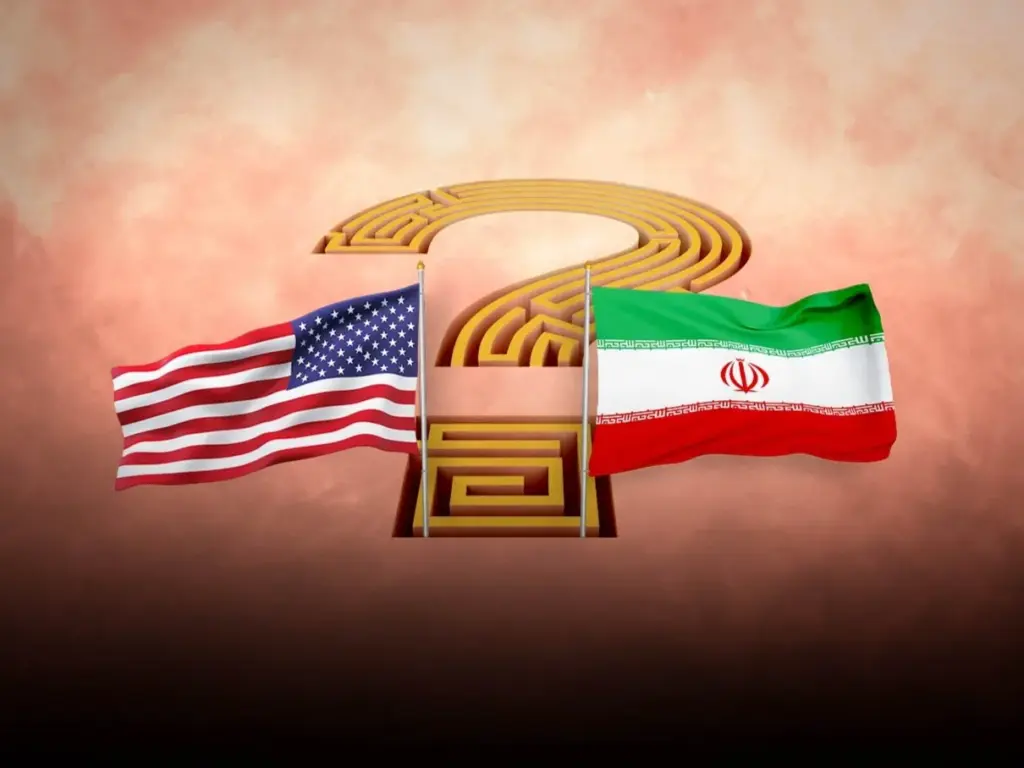
In recent developments regarding diplomatic relations, Iran’s Foreign Minister Abbas Araqchi has indicated that the nation is in a state of anticipation following an initial response from the U.S. President concerning Iran’s proposal. This situation unfolds amid ongoing negotiations and efforts to address various geopolitical tensions.
The Context of Iran’s Proposal
Iran’s proposal, although not fully disclosed, is believed to revolve around critical issues such as nuclear agreements and sanctions relief. The backdrop of these discussions is rooted in the Joint Comprehensive Plan of Action (JCPOA), which was originally established in 2015 but has faced numerous challenges since the U.S. withdrawal in 2018.
Initial Response from the U.S.
Araqchi has confirmed that there has been an initial response from President Biden’s administration, which suggests a willingness to engage further on the matter. However, he emphasized that this communication does not yet represent a concrete or definitive stance on the proposal put forth by Tehran.
The Role of Mediators
While awaiting more detailed feedback, Araqchi pointed out that mediators involved in these discussions have not provided any substantial updates either. These mediators play a crucial role as intermediaries between Iran and Western powers, particularly when it comes to sensitive negotiations surrounding nuclear capabilities and regional security.
Market Sentiment and Price Movements
The uncertainty surrounding these diplomatic talks has had notable implications for market sentiment, particularly within the oil sector. As one of the largest oil-producing nations globally, any sign of easing tensions could lead to fluctuations in oil prices.
- Oil Prices: Recent reports indicate that crude oil prices have experienced volatility due to speculations about potential sanctions relief for Iran. Traders are closely monitoring news coming out of Washington and Tehran.
- Investor Sentiment: Investors remain cautious; while some express optimism about a possible breakthrough in negotiations, others fear prolonged uncertainty could lead to further market instability.
The Importance of Effective Communication
Araqchi’s statement underscores the importance of clear communication in international diplomacy. The lack of definitive responses can lead to misinterpretations and increased tension between negotiating parties. The Iranian foreign minister expressed hope for receiving more clarity soon so that they can make informed decisions moving forward.
Nuclear Negotiations: A Complex Landscape
The nuclear negotiations are inherently complex due to multiple stakeholders involved—each with their own agendas and concerns. The dynamics shift regularly based on political climates both within Iran and among Western nations:
- Iran’s Stance: Iran seeks recognition as a legitimate power within its region while aiming for economic relief through lifted sanctions.
- U.S. Objectives: The U.S., on the other hand, aims for assurances regarding Iran’s nuclear activities while addressing broader regional security issues such as terrorism and proxy conflicts.
The Path Forward: What Lies Ahead?
As both sides await further communications, analysts suggest several potential outcomes:
- A Renewed Commitment: If positive dialogue continues, it may pave the way for renewed commitments under a revised JCPOA framework.
- No Agreement Scenario: Conversely, if talks stall or fail altogether, we may witness increased sanctions or military posturing from both sides—escalating tensions further.
The Global Implications
This situation is not just significant for Iran and the U.S.; it holds implications for global markets and diplomatic relations worldwide. Countries reliant on Middle Eastern oil are particularly attuned to developments here due to potential shifts in supply dynamics depending on how negotiations unfold.
A Call for Patience
Araqchi’s remarks serve as a reminder that diplomacy often requires patience amidst uncertainty. As both sides navigate this intricate web of interests and expectations, observers will be keenly watching for any signs indicating whether progress can be made toward resolving long-standing disputes affecting not only bilateral relations but also global peace efforts overall.