
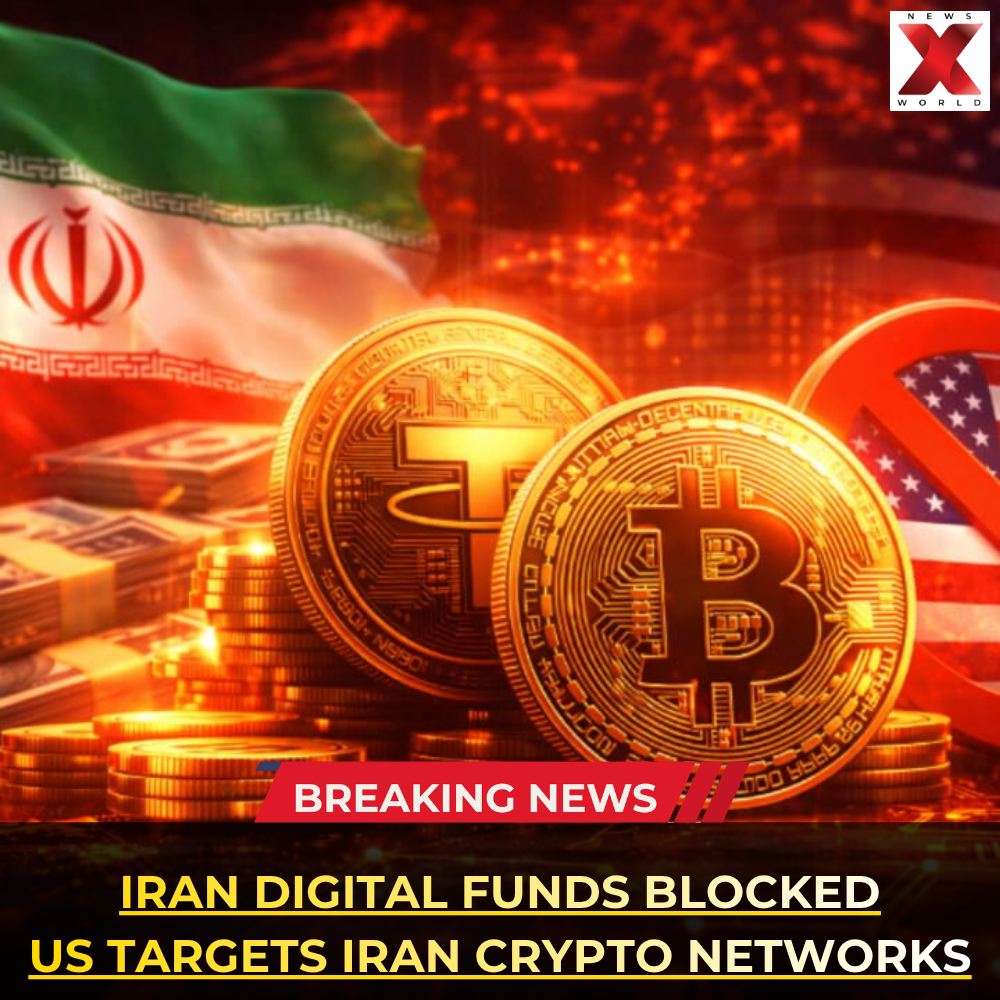
In a significant development in international finance, Iran has recently laid out a timeline for the retrieval of its blocked funds. This announcement comes amid ongoing discussions regarding sanctions and economic policies that have affected the nation’s access to its financial resources. Understanding this situation requires diving into the complexities of international banking, sanctions, and geopolitical dynamics.
The Background of Blocked Funds
Iran’s economy has faced numerous challenges over the past decade, primarily due to stringent sanctions imposed by various countries, particularly the United States. These sanctions have targeted Iran’s oil exports and financial institutions, leading to billions of dollars being frozen in foreign banks.
As of October 2023, reports indicate that approximately $7 billion in Iranian assets remain inaccessible due to these restrictions. The blocked funds are mostly held in accounts across several countries, including South Korea and Japan. The Iranian government has been actively seeking ways to recover these assets as part of its broader economic recovery strategy.
The Timeline for Retrieval
Iran’s recent announcement specifies a phased approach to retrieving these funds. According to Iranian officials, they expect to start accessing these frozen assets within the next six months if diplomatic negotiations proceed smoothly. The timeline is contingent on several factors:
- Diplomatic Engagement: Continued dialogue with Western nations is crucial for easing sanctions and facilitating fund retrieval.
- Compliance with International Norms: Iran must demonstrate adherence to international agreements concerning nuclear proliferation and regional security.
- Economic Reforms: Implementing necessary reforms within Iran’s economy may also play a role in regaining trust from global financial institutions.
The Market Sentiment
The announcement regarding the timeline has sparked varied reactions in both local and international markets. Investors are cautiously optimistic about potential relief for Iran’s economy. Here are some key points regarding market sentiment:
- Currency Fluctuations: Following the news, there was a slight appreciation in the value of the Iranian rial against major currencies as traders anticipated improved liquidity.
- Oil Prices: Oil prices experienced minimal fluctuations; however, analysts noted that any significant recovery in Iran’s oil sector could lead to increased supply on global markets.
- Investor Confidence: While some investors view this development positively, others remain skeptical due to historical precedents where negotiations have stalled or reversed unexpectedly.
The Geopolitical Implications
This move by Iran is not just an economic maneuver; it carries substantial geopolitical implications as well. Accessing these funds could bolster Iran’s position in regional politics and enhance its ability to engage with other nations economically.
The retrieval of blocked funds may also signal a thawing relationship between Iran and Western powers if successful negotiations occur. However, tensions remain high over various issues such as military activities and human rights concerns that continue to complicate diplomatic relations.
The Role of International Bodies
International organizations like the United Nations (UN) play an essential role in monitoring compliance with sanctions regimes. Their involvement will be critical as Iran navigates this complex landscape towards recovering its assets.
The Future Outlook
If all goes according to plan, the next six months could mark a transformative period for Iran’s economy. Analysts predict that access to these funds could lead not only to immediate financial relief but also long-term economic stability if paired with effective governance measures.
This situation serves as a reminder of how interconnected global economies are and how political decisions can significantly impact financial realities on the ground. As we move forward into 2024, all eyes will be on Tehran’s actions following this timeline announcement—whether it leads toward reconciliation or further entrenchment remains uncertain but crucial for understanding future developments in both regional stability and global markets.