
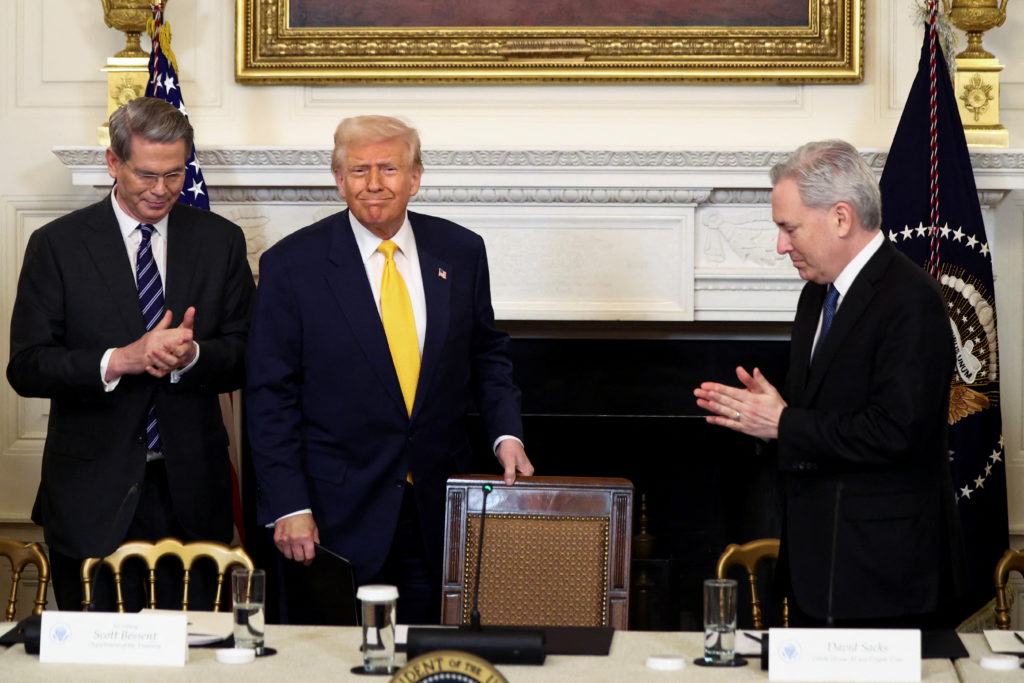
In a recent statement that has garnered significant media attention, former President Donald Trump asserted that he is not actively involved in the management of his businesses. This declaration raises questions about the nature of his business dealings and the level of oversight he maintains over his financial interests.
Trump’s Claims on Business Management
During an interview, Trump emphasized that his children are primarily responsible for running his various business ventures. He stated, “I have allowed my children to take over the day-to-day operations, and I trust them completely.” This assertion suggests a hands-off approach from the former president regarding his business empire.
The Role of His Children
Trump’s children—Donald Jr., Eric, and Ivanka—have been involved in the family business for years. Each has taken on different roles within the organization:
- Donald Trump Jr.: Focuses on real estate development and marketing strategies.
- Eric Trump: Oversees various golf courses and resorts under the Trump brand.
- Ivanka Trump: Previously managed fashion lines and later took on roles related to branding and strategy.
This familial involvement raises questions about potential conflicts of interest, especially considering Trump’s previous presidency. Critics argue that having family members manage significant aspects of a sprawling business could lead to ethical dilemmas.
Investment Practices: Anonymity in Transactions
In addition to discussing his children’s management roles, Trump made headlines by claiming he allows others to invest in his businesses without knowing their identities. He stated, “I have investors who come in anonymously; I don’t even know who they are.” This statement sheds light on Trump’s investment practices and raises concerns regarding transparency.
The idea of anonymous investments is not entirely new but typically involves private equity firms or venture capitalists who prefer confidentiality for competitive reasons. However, this practice can also lead to scrutiny regarding compliance with financial regulations aimed at preventing money laundering or other illicit activities.
The Implications of Anonymous Investments
The implications of allowing anonymous investments can be significant:
- Lack of Accountability: Without knowing who invests in a company, it becomes challenging to hold parties accountable for their actions or decisions affecting the company’s direction.
- Potential Legal Risks: If any investor engages in illegal activities or sanctions violations, it could inadvertently affect Trump’s businesses if they are found complicit due to lack of due diligence.
- Market Sentiment: Investors typically favor transparency; thus, anonymity may deter potential legitimate investors looking for stable opportunities with clear governance structures.
The Market Reaction
The market sentiment surrounding Trump’s claims has been mixed. Some investors may view this as a sign that Trump’s businesses are still thriving under family management while others express concern over potential risks associated with anonymous investments. Following these statements:
- Slight Increase in Stock Prices: Companies affiliated with Trump saw minor upticks following positive press coverage about family management continuity.
- Caution Among Analysts: Financial analysts have advised caution when evaluating companies linked to Trump due to inherent risks tied to political controversies surrounding him.